
Claims analytics and denial automation for a healthcare network
A multi-clinic healthcare network was losing revenue to claim denials that staff had no time to analyze or appeal. We automated denial triage and appeal drafting, and built the analytics to stop denials at the source.
Client
Confidential
Domain
Healthcare
Services
Workflow Automation, AI Consulting
Overview
A multi-clinic healthcare network was losing revenue to claim denials that staff had no time to analyze or appeal. We automated denial triage and appeal drafting, and built the analytics to stop denials at the source.
The client is a regional healthcare network operating a dozen outpatient clinics with a central billing office. Their billing team of nine handled every payer interaction manually, from claim submission through denial follow-up, using a mainstream practice-management system supplemented by spreadsheets.
Challenge
Denied claims piled up faster than the billing team could work them. Each denial required reading payer correspondence, cross-referencing the original claim, finding the root cause, and drafting an appeal: 40 or more minutes of skilled work per claim. With hundreds of denials arriving monthly, the team triaged by dollar value and simply wrote off the long tail.
Leadership had no visibility into why denials happened. The same preventable errors (expired authorizations, mismatched codes, missing modifiers) recurred month after month because nobody had time to analyze patterns, let alone feed fixes back to the front desk and coding staff.
An earlier attempt to outsource denial management had failed: the vendor worked only the high-value claims, quality was inconsistent, and the network's data left its control. The client wanted the capability in-house, but hiring more billers only scaled the cost of the problem.
Our approach
We started with a two-week audit of the denial workflow, sampling six months of payer correspondence to quantify root causes and appeal outcomes. The audit showed 68% of denials fell into eight repeatable categories, and that appeals in those categories succeeded four times out of five when they were actually filed. That made the business case: the network wasn't losing to hard denials, it was losing to unworked ones.
We then built an AI pipeline that reads each denial as it arrives, classifies its root cause against the eight categories, pulls the matching claim record, and drafts a complete appeal letter with supporting documentation attached. Every draft lands in a review queue where a biller approves, edits, or rejects it. The system never files anything on its own.
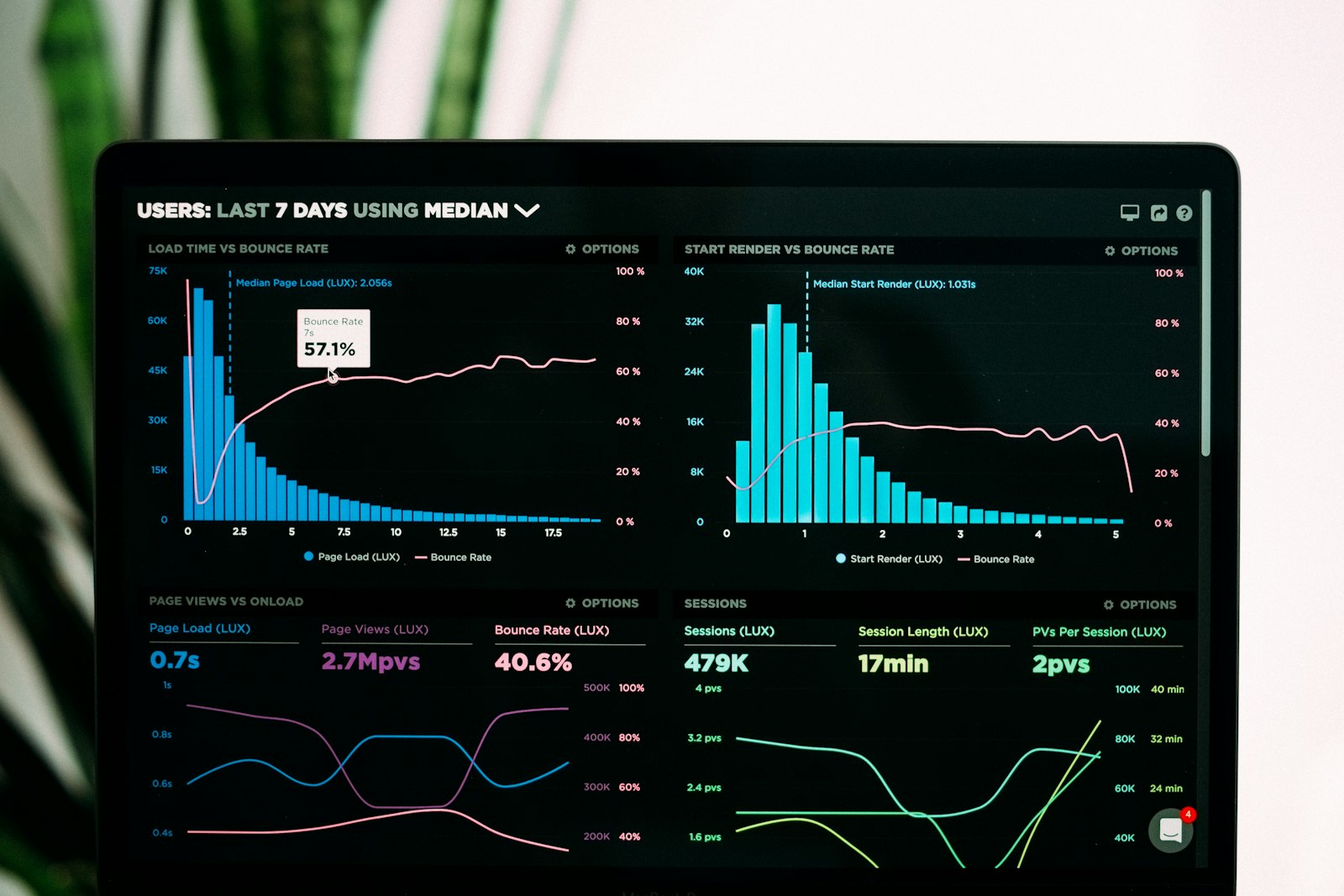
Alongside the pipeline we delivered a denial-analytics dashboard that ranks root causes by dollar impact per clinic, per payer, and per procedure code. The revenue-cycle director now runs a monthly review with front-desk and coding leads, working down the top of that list. Prevention, not just recovery.
Rollout was deliberately staged: two clinics for the first month with every AI draft double-checked, then network-wide once the approval rate stabilized above 90%. The billing team was involved from the first workshop, which is why adoption never became a fight.

Solution
Key capabilities include:
- Automatic denial classification. Incoming payer correspondence is parsed and categorized by root cause within minutes of arrival, with a confidence score on every classification.
- AI-drafted appeals with citations. Each appeal cites the specific claim data, payer policy language, and clinical documentation that supports it, assembled from the network's own systems.
- Human review queue. Billers approve or edit every draft before filing. Rejections feed back into the system as training signal, so draft quality improves monthly.
- Root-cause analytics dashboard. Denial causes ranked by dollar impact across clinics, payers, and codes: the agenda for a monthly prevention review.
- Write-off guardrails. No claim is written off until the system confirms it was either appealed or genuinely unappealable, ending silent revenue leakage.
- Full audit trail. Every classification, draft, edit, and filing is logged, ready for payer disputes and compliance review.
Outcomes
3×
more denials worked per biller per day
41%
reduction in write-offs within two quarters
9 min
average biller time per appeal, from 40+
Within two quarters the network recovered revenue it had previously written off as a cost of doing business, while the billing team shrank its backlog to zero for the first time in years. The prevention loop is now cutting denials before they happen: front-end fixes driven by the dashboard reduced new denials 18% in the first six months.
“We assumed we needed more billers. What we needed was for the work each biller could do to count three times as much.”
Looking to solve something similar in healthcare?
Let's design a system built for your workload, not a generic template.
Tech stack
- Python
- Claude
- PostgreSQL
- Power BI
Related projects
Post-trade reconciliation automation for a trading platform
A brokerage's operations team spent every morning manually reconciling trades across three systems. An automated pipeline with an exception-handling agent now clears the day's book before the team's first coffee.
Read case study
AI support assistant for a growing e-commerce brand
A D2C retailer's support queue doubled every holiday season. A grounded AI assistant now resolves the routine majority (order status, returns, product questions) and hands the rest to agents with full context.
Read case study
Freight document automation for a logistics provider
A freight forwarder's team re-keyed BOLs, PODs, and carrier invoices into their TMS by hand. Document AI now handles every standard format, and an agent chases the missing paperwork.
Read case studyHave a project in mind?
Tell us what you're trying to achieve. We'll come back within one business day with an honest read on feasibility, approach, and cost.